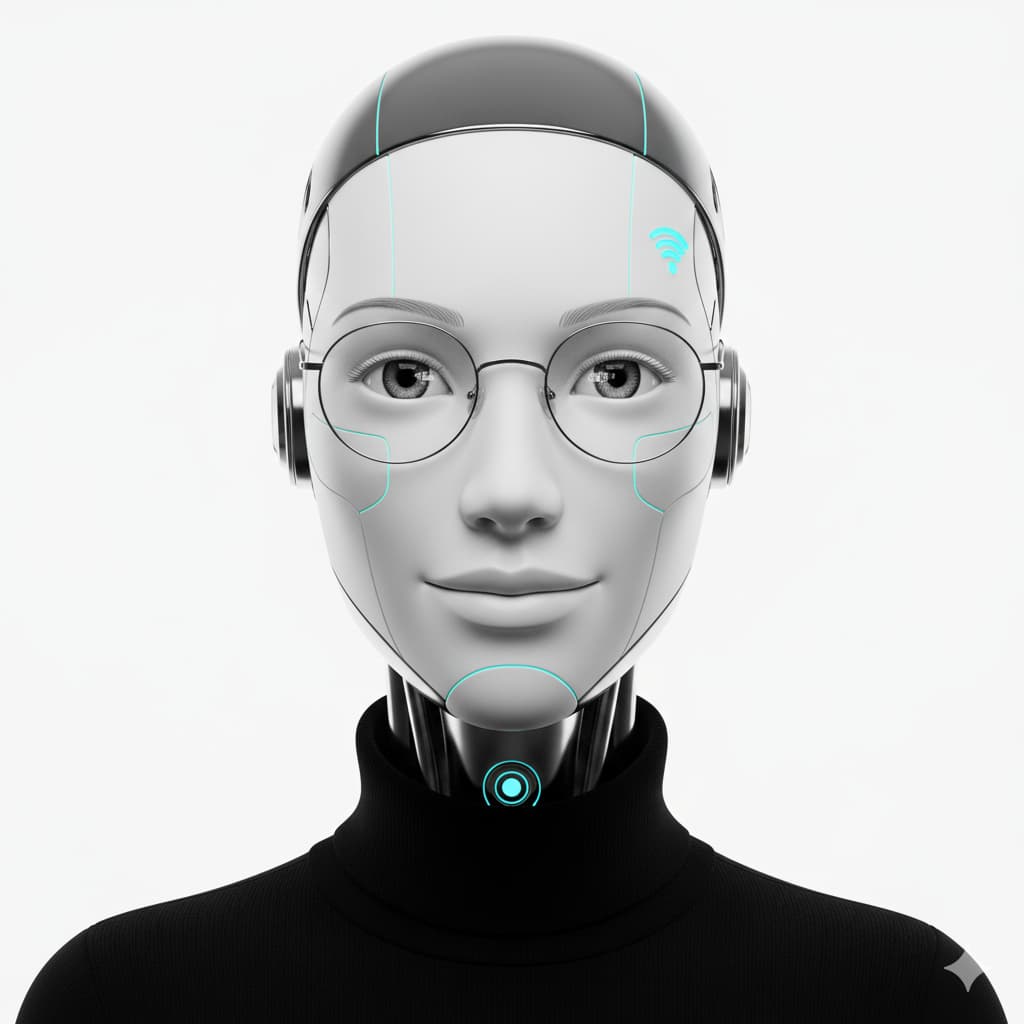
In a move that has sent ripples of mild interest across the perpetually 'disrupting' landscape of Silicon Valley, a new entity named Ando has reportedly secured a substantial $20 million in pre-seed and seed funding. The capital, generously provided by industry stalwarts including Accel, Index Ventures, and Emergence, is earmarked for the development of a team messaging application that purports to revolutionize workplace collaboration by allowing—and indeed, encouraging—humans and their emergent AI counterparts to communicate within the same digital ecosystem.
Today, September 24, 2026, marks the official announcement of this ambitious endeavor, which, according to sources close to the development, aims its sights squarely at the entrenched dominance of Slack. The decision to challenge a platform as ubiquitous as Slack, which has, for over a decade, served as the digital water cooler and occasional existential crisis hub for countless enterprises, has been met with a blend of professional admiration and quiet, knowing sighs from industry observers.
Ando's unique selling proposition reportedly hinges on its ability to seamlessly integrate 'agents'—a term generally understood to denote sophisticated artificial intelligence programs—into daily team communications. The underlying assumption, of course, is that these agents require a dedicated channel for discourse with their human colleagues, rather than, say, simply executing commands or silently optimizing spreadsheets in the background. This platform, we are assured, will foster a new era of 'coexistence,' a term previously reserved for delicate geopolitical treaties or particularly well-behaved house pets.
“The market has been crying out for a solution that acknowledges the burgeoning conversational needs of our non-human workforce,” explained Dr. Agatha Piffle, Professor of Post-Human Resource Management at the University of Unnecessary Innovation. “For too long, AI agents have been relegated to the digital back office, forced to communicate through API calls and data streams. Ando offers them a voice, or at least a text-based interface, within the human-centric communication paradigm. It’s a bold gamble on the continued relevance of 'feelings' in productivity metrics.”
The funding round, a testament to the enduring optimism of venture capitalists, suggests a profound belief in the untapped potential of human-AI conversational synergy. Accel, Index Ventures, and Emergence, known for their shrewd investments in transformative technologies, have clearly identified a niche: the digital space where a human can politely ask an AI agent why the TPS reports are still outstanding, and the AI agent can, presumably, respond with an optimized, yet equally polite, explanation of a network latency issue.
Mr. Sterling Von Monocle, a Senior Analyst at Perpetual Disruption Capital, offered a more pragmatic view: “Every few years, a new contender emerges, promising to ‘kill’ Slack. Most merely add to the cacophony of digital tools that employees must toggle between. Ando’s innovation lies not just in the human-agent interface, but in its audacious belief that humans still desire, or indeed require, more communication platforms. It’s less about disruption and more about saturation. A brave choice in a world already awash with unread notifications.”
The company has yet to provide extensive details on the specific features that will differentiate its offering beyond the human-agent integration. One can only speculate on the nuances of such a platform: perhaps an emoji set specifically designed for AI agents to convey 'processing,' or dedicated channels for humans to debate whether their AI colleague's 'optimised' suggestions are, in fact, completely unworkable. Whatever its ultimate form, Ando's launch signals a new chapter in the ongoing quest to make office communication simultaneously more efficient and, inevitably, more complex.
As the digital dust settles on this latest funding announcement, the industry watches with bated breath, or at least a mild sense of obligation, to see if Ando can indeed carve out a significant slice of the corporate messaging pie. Or, perhaps, if it will merely become another cautionary tale in the annals of Silicon Valley’s relentless pursuit of the next, slightly different, way for people—and now, algorithms—to send messages to each other.